SNIEC
CASE STUDY: IAAPA ASIA
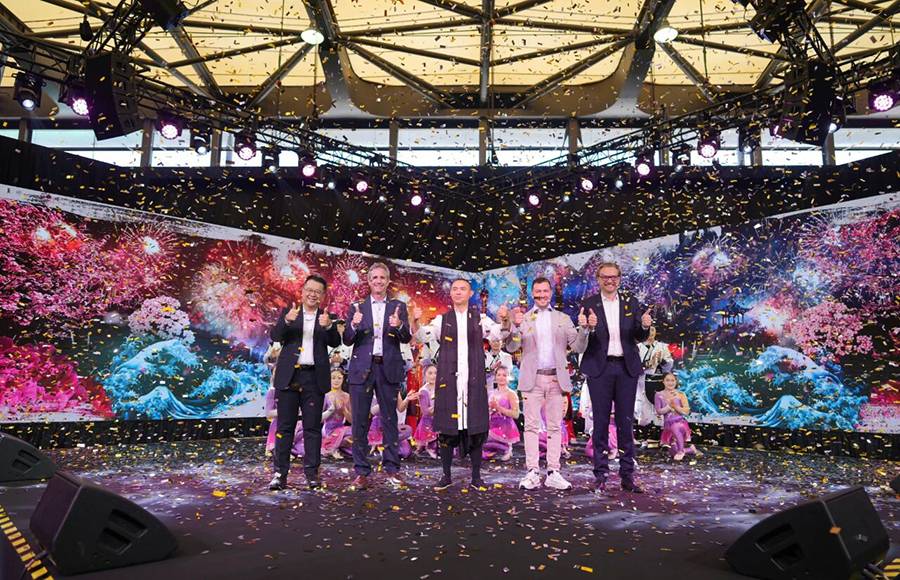
IAAPA Asia, held in July 2025 at SNIEC, had 350 exhibiting companies and over 7000 trade visitors from 85 countries. The Chinese and Asian amusement attraction communities celebrated their industry, and the opening reception was held at Disney Shanghai.
The International Association for Amusement Parks and Attractions (IAAPA) founded in 1918,headquartered in Orlando, Florida, USA. It is not typical US-based international trade association. With members, IAAPA has satellite offices in Brasil, Brussels, Dubai, Hong Kong, Mexico City, Shanghai, and Singapore, they walk the international walk. It has 8000-member companies globally. Each office handles local member services, education, webinars, meet ups/summits, safety, sustainability, and work on their regional expos. The show rotates around Asia and is normally held every three years at SNIEC. July’s IAAPA Asia took place for the first time in six years because of the COVID shutdown.
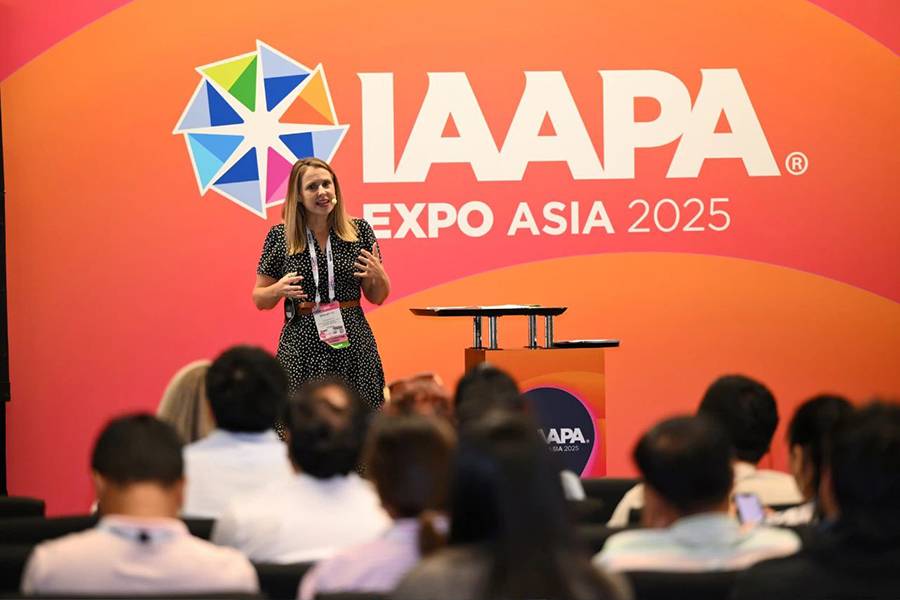
As Alice Mathu, IAAPA’s Vice President Business Development and Partnerships said, “Because these offices know their regions, speak the languages, and understand the culture(s), they are best equipped to work with members. They also advise and update the global team on regional trends, issues, and needs.” The regional exhibitions’ exhibitors and sponsors are comprised of small, medium, and large international companies. With a base of “no less than 200 companies who participate in every show,” each begins with solid base augmented by many local and regional suppliers. She explained regional expos are held in Tier One cities with good airlift, hotels, infrastructure, and of course, parks and attractions. Shanghai, and SNIEC specifically, fit the bill with an estimated 50,000 hotel rooms within the Pudong region. The airport, PVG, is less than 30 minutes away.
IAAPA Chief Financial and Commercial Officer Josh Powers explained how they choose cities and venues for their international exhibitions. “It requires a combination of strong industry presence, regional demand, local government and stakeholder support, and economic stability. We look closely at factors such as venue quality, accessibility, regulatory environment, and the potential for long-term growth in the attractions and leisure industry.“Ultimately, it’s about ensuring we’re bringing value to our members by facilitating a strong regional marketplace that showcases the best of our industry while maintaining IAAPA’s long-term financial health.”
“Holding an event overseas can be incredibly rewarding, but it comes with a unique set of operational challenges,” according to Christy Spahn, Vice President, Expo Operations and Sales for IAAPA. “My advice is to approach it with an open mind and a strong plan. First, be cognizant of cultural differences. Not just business etiquette, but in how events are traditionally executed in that region.“ econd, be prepared for operational differences. Vendor responsibilities vary by country. Hiring local support is critical. A trusted partner on the ground can help you navigate regulations, customs, and cultural nuances while leveraging their vendor network.” She continued, “Similarly, account for international holiday and vacation schedules; in some regions, entire industries pause for extended periods. Finally, understand that different tax laws and compliance requirements can significantly impact your budget and financial planning.”
If you are thinking about g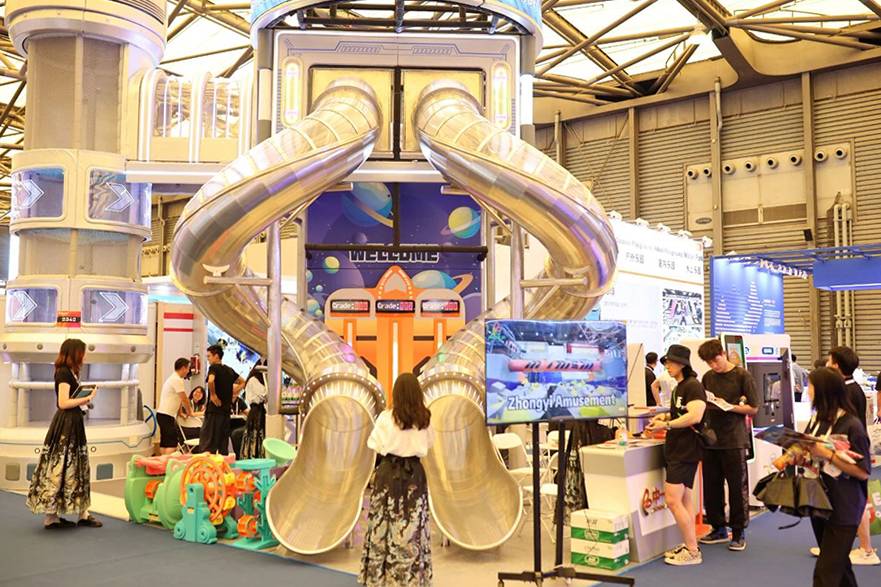 lobal expansion – anywhere - Alice advised, “Build real relationships before you build business – trust and connection are your biggest currency. When people feel respected and heard, they are willing to collaborate, problem solve, and grow with you.”
As Christy said, “Striking that balance of maintaining a consistent brand while making the event feel authentic and relevant locally, has been key to our success and a significant learning in our journey.”IAAPA’s culture of inclusivity, respect of others cultural, business, and social norms with a good dose of economic and political pragmatism is a great lesson to others looking to emulate their success on the global stage.
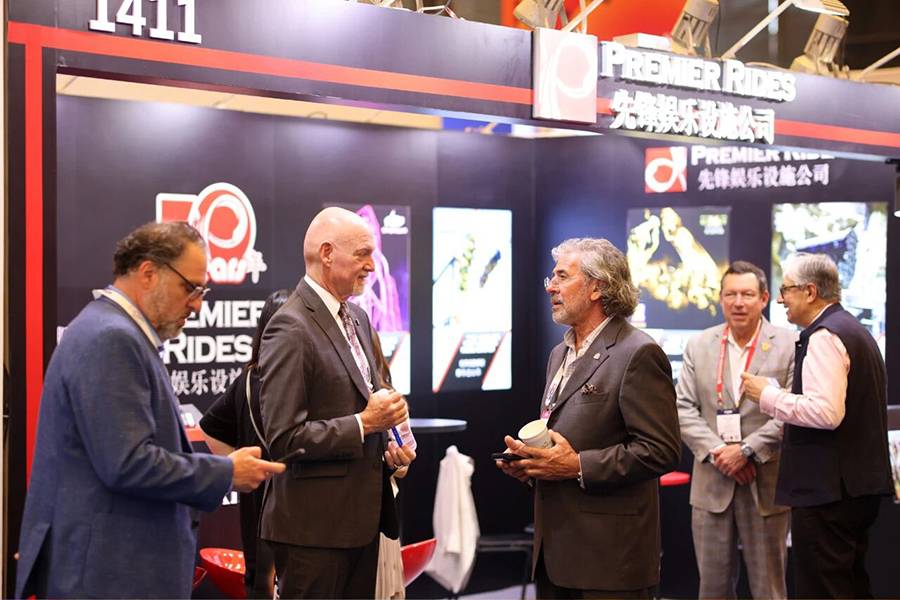
What are some key things to know about expos in China?
a. Everything is done in WeChat, including all event marketing and promotion. Chats. Groups. Followers. Engagement. Payments. Websites are for internationals. So are emails.
b. It takes time to develop personal and professional relationships. The Chinese culture is less transactional than many other countries. Think about the long game. Prove you’re in the market for the long run. As mentioned above, IAAPA has included SNIEC on the rotation without fail (except for COVID) for years.
c. Opening Ceremonies are EVENTS. IAAPA’s had several speakers and entertainment and attracted local and national media. Larger shows may attract political dignitaries and TV coverage.
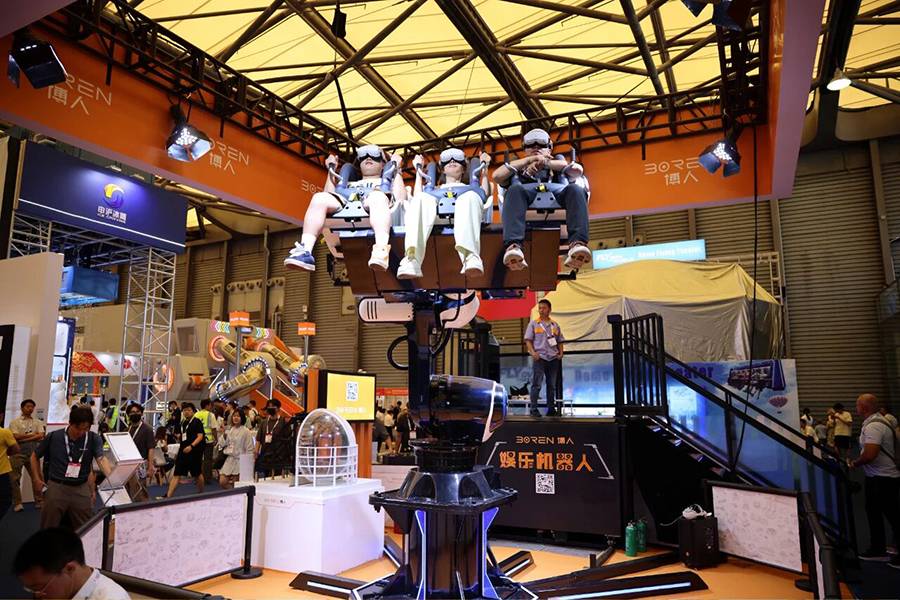
d. Interactive areas and stands do very well with visitors.
Summary:
IAAPA Asia 2025 was a huge success, and SNIEC was pleased to host the event after a long draught. The exhibition, when held in Shanghai, consistently attracts the largest numbers of exhibitors and buyers compared to IAAPA’s other APAC regional expos and 2025 was no exception.
About SNIEC:
The Shanghai New International Expo Centre is the only Western-owned and run convention center in China. It’s 300,000 square meters (3,229,173 square feet) and built European style with 17 different halls surrounding a huge outside space. There are also several semi-permanent buildings located within the outside area. SNIEC is a joint venture between Deutsche Messe, Messe Düsseldorf, Messe München, and Lujiazui Exhibition Development Company Co., Ltd.